The Custom Cafe Photo Booth: 3 Installs Doing It Right
Creative Inspiration
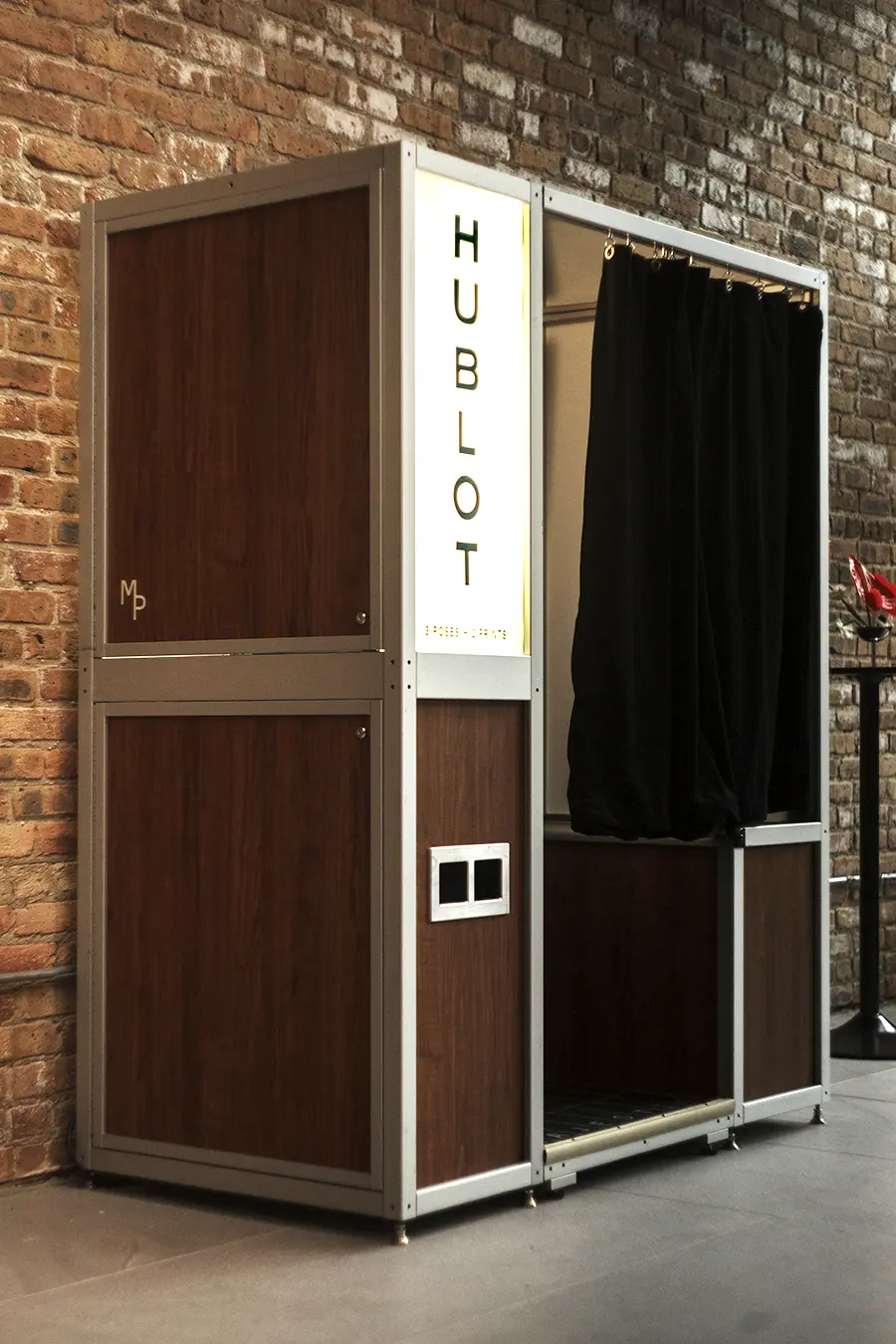
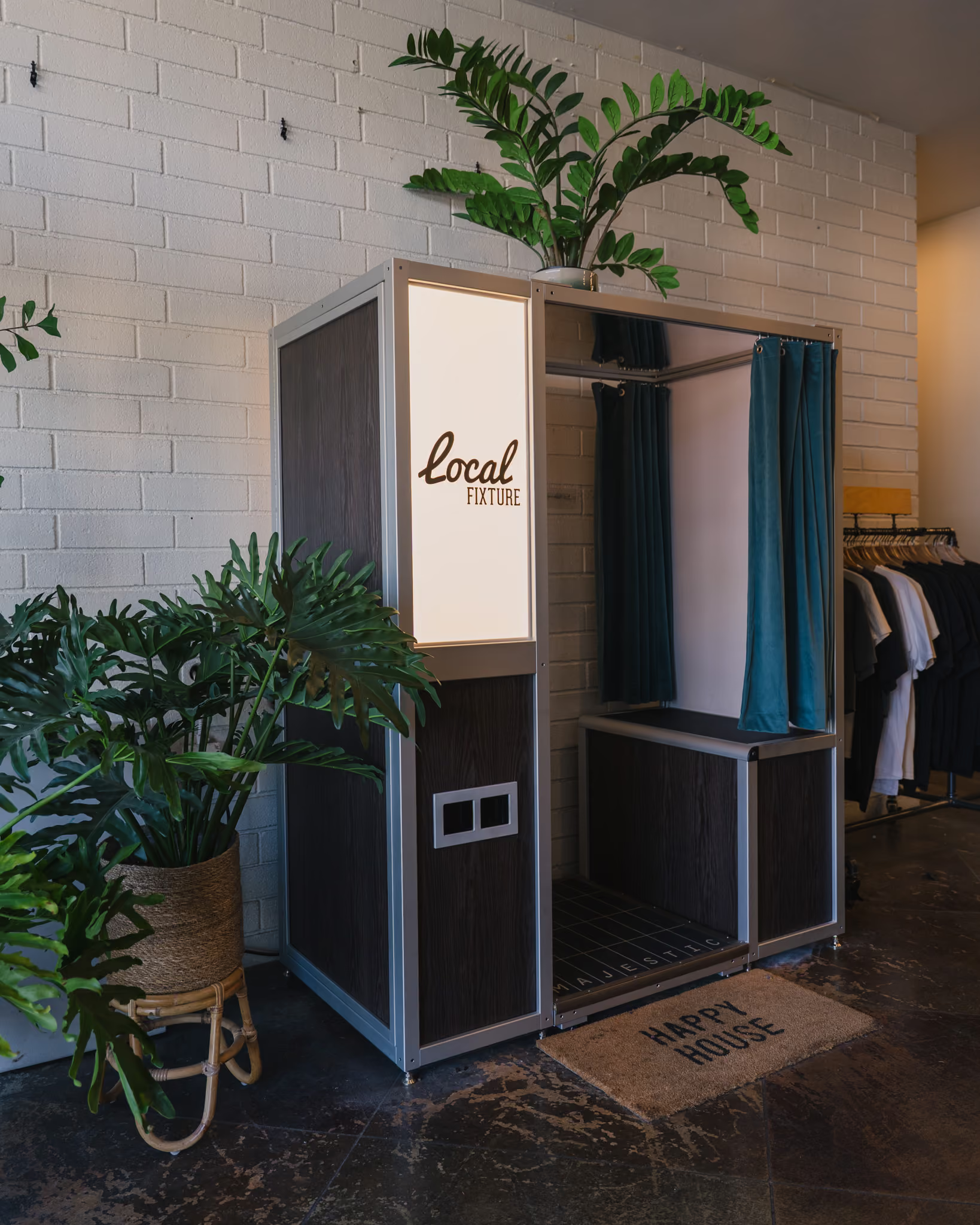
A custom cafe photo booth, installed and serviced at no cost through Majestic's venue placement program. See the builds at Local Fixture, Cherry Bomb, and Blue Hour Coffee.
Experiential marketing for restaurants means transforming a meal into a memory. In a market where great food is expected, the real advantage comes from creating moments guests feel compelled to remember and share.
The difference isn't budget; it's strategy. This blog breaks down how restaurants can use experiential marketing strategically, turning every visit into a meaningful brand activation rather than a one-off event, and creating a system that drives loyalty, repeat visits, and organic growth.
The experience economy has fully arrived in hospitality. Millennials and Gen Z now dominate the dining demographic as they treat restaurant choices as a form of self-expression. They aren't just asking "Is the food good?" They're asking, "Will this place say something about who I am?"
According to experiential marketing reports, 85% of consumers are more likely to purchase after attending a branded experience. ATN Event Staffing reports that 64% of attendees prefer immersive, hands-on experiences over digital alternatives. This data connects directly to the outcomes that matter, like repeated visits, higher average spend, and word-of-mouth that compounds over time.
Instead of chasing individual tactics, the strongest experiential dining establishments build around three connected pillars. Think of it as a system, not a checklist.
Every great experiential moment starts with an emotional intention. Before designing an event or activation, ask: What do we want guests to feel?
When the emotional intention is clear, every decision aligns around it. Guests feel the coherence even if they can't name it. You don’t even need a massive dining room to craft these feelings, because there are plenty of small event space ideas that can host experiences that deliver emotional impact.
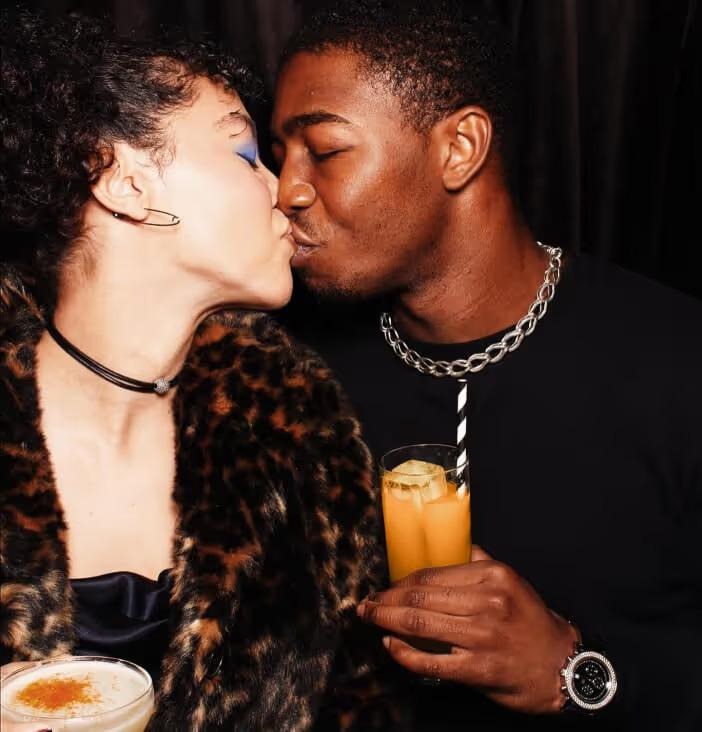
A moment designed to be shared is worth ten moments designed to be consumed. This is where physical and digital strategy intersect. Social-first experience design means building into your activation the content your guests will naturally want to create and share:
User-generated content (UGC) is the most credible form of restaurant marketing. It reaches audiences who trust the person posting more than they'll ever trust an ad.
The most common mistake restaurants make with experiential marketing is treating it as an event, not a philosophy. One spectacular evening generates a spike. A repeatable framework for delivering remarkable moments generates compounding loyalty and customer lifetime value.
A single great night creates a spike, but consistent, structured experiences like recurring events, seasonal campaigns tied to your brand, or a permanent photo booth installation build long-term loyalty. Guests come back when they trust the experience will be there every time, and without that consistency, the impact quickly fades.
Here's how the three pillars translate into the best marketing strategies using experiential tactics, with depth on why each works.
A restaurant partners with a local artist to create a limited, immersive dining experience where the menu and atmosphere are built around the collaboration. The exclusivity creates real urgency, drawing guests into something they know won’t be repeated the same way. This scarcity drives anticipation, builds stronger emotional connections, and generates natural buzz and content that keeps people following for what’s next.
Experiences become more memorable when guests actively participate rather than passively dine. Whether it’s building a cocktail, finishing a dish tableside, or engaging with the chef, these small interactions deepen personal investment.
These moments feel personal, interactive, and worth talking about. The result is longer table times and stories guests continue to share long after they leave.
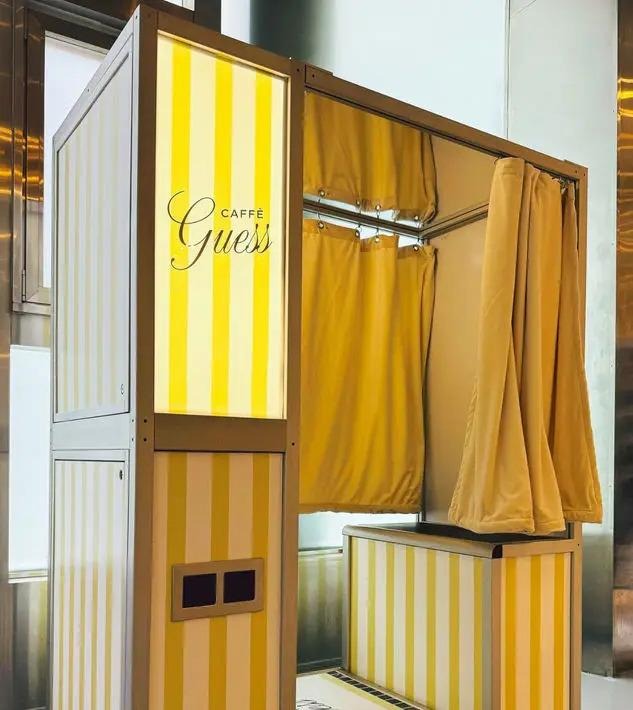
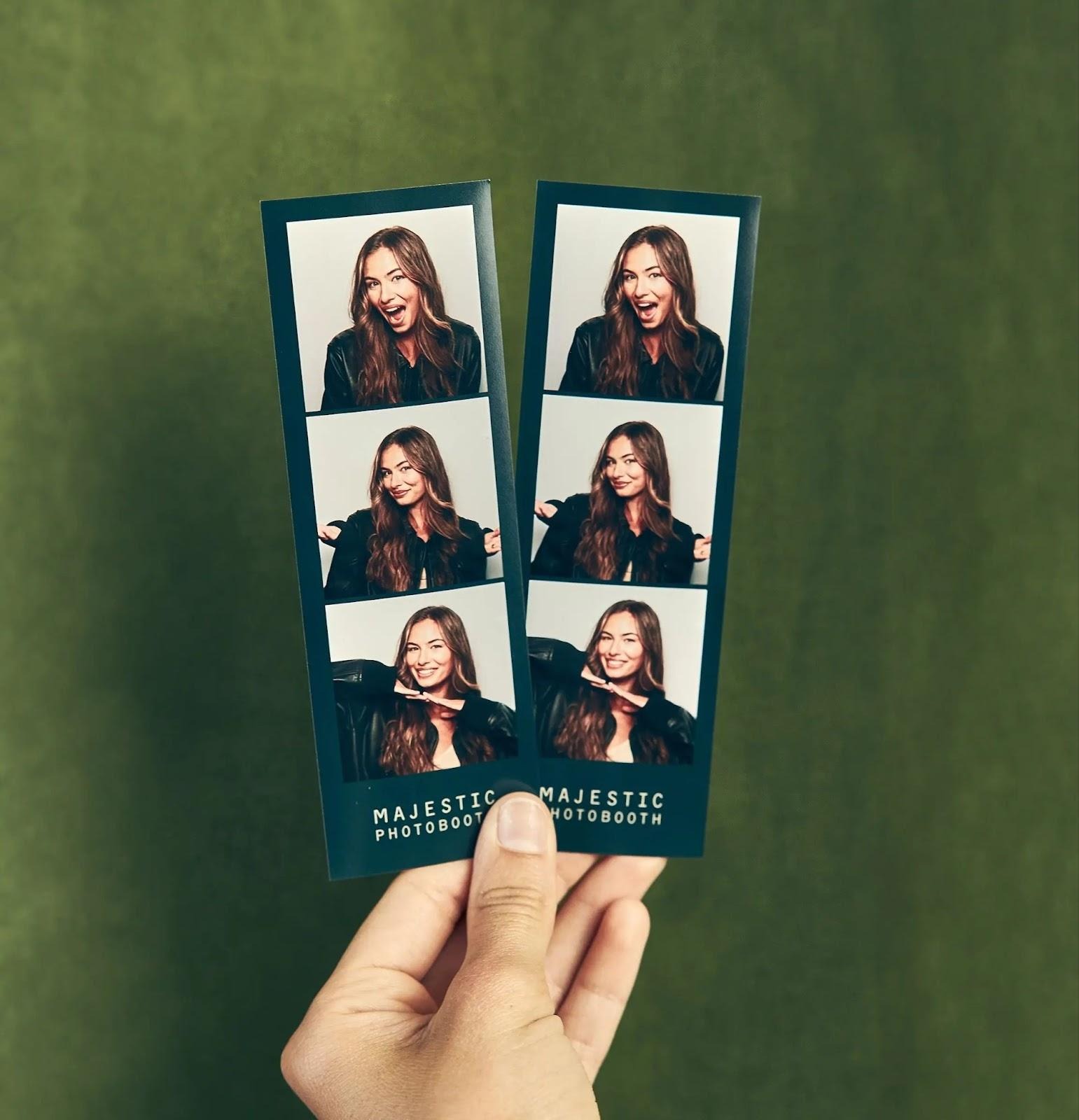
Taking photos is now a core part of dining, making photobooths a powerful experiential tool that enhances what guests already do. A booth designed to match your restaurant’s identity with custom backdrops, branded prints, and keepsakes turns casual photos into intentional, shareable moments.
With Majestic Photobooth, every detail is customizable, creating a seamless, on-brand experience that guests are excited to engage with and share. There are many creative ideas for a photobooth that can be tailored so it feels like a seamless extension of your brand.
From theatrical presentations to fully immersive environments, each example shows how powerful it is when the experience itself becomes the strategy.
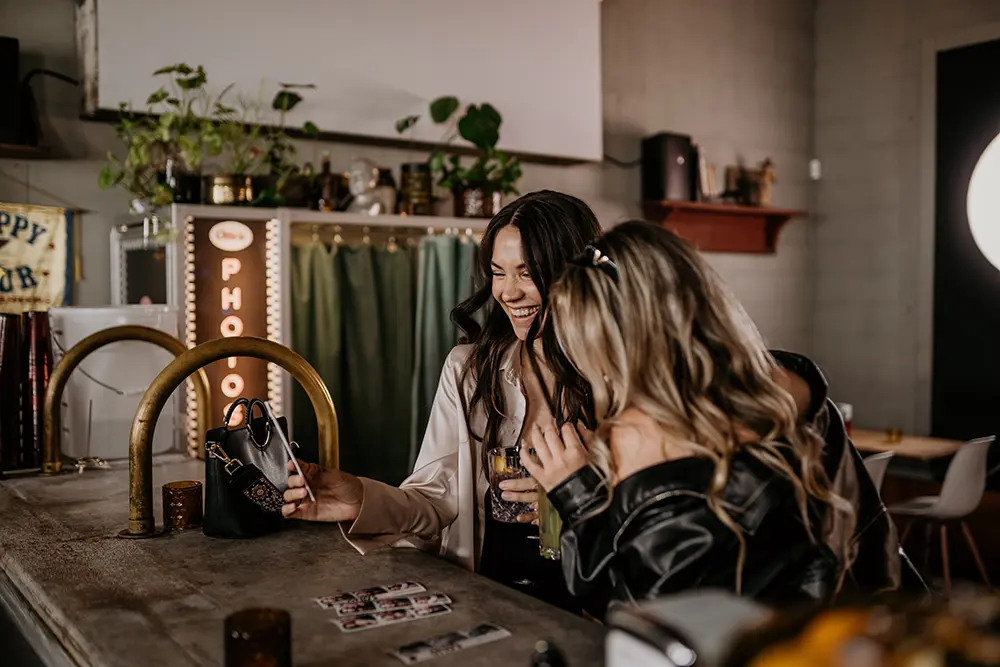
Otto’s, a former auto shop turned neighborhood bar in Nashville, delivers a relaxed, immersive atmosphere shaped by natural light and strong design identity. A fully customized Majestic photo booth, built around the venue’s signature colors and black cat motif, blends seamlessly into the space. Guests naturally engage, flashing smiles, striking photobooth poses, and capturing moments, turning their visit into shareable content and ongoing organic exposure.
Bar Primi, a lively Italian pasta spot in New York City, extends its vibrant identity through a custom Majestic photo booth featuring deep red tones, velvet curtains, and playful pasta-themed visuals. The experience invites guests to participate, creating photo strips, digital images, and GIFs that carry the brand beyond the table. It’s a clear example of how immersive, on-brand activations turn everyday dining into something guests actively share.
Bringing experiential marketing to life is one of the most rewarding strategies, but it comes with real operational and strategic challenges. The difference between a one-off success and a scalable strategy lies in how well these challenges are managed over time. The most common friction points tend to show up in execution, measurement, and sustainability:
Addressing these challenges early allows restaurants to turn experiential marketing into a repeatable growth driver rather than a one-off initiative.
There are always great marketing ideas for restaurants, but experiential marketing is the new standard for any dining establishment that wants to build lasting loyalty and genuine love. The restaurants that thrive stop selling meals and start crafting memories. That is the kind of restaurant people do not just visit; it is the kind they feel they belong to.
If you're considering adding a photo booth to your restaurant experience, Majestic Photobooth can help you create a fully customized, on-brand activation that guests will love. Whether you’re looking for a photo booth in New York or anywhere else, you can get a photobooth by contacting us and start planning your custom Majestic Photobooth experience today.
.webp)
.webp)
Discover how Majestic Photobooth can enhance your venue with our customizable photo booth solutions. Contact us now!