Boost Engagement with an Experiential Photo Booth
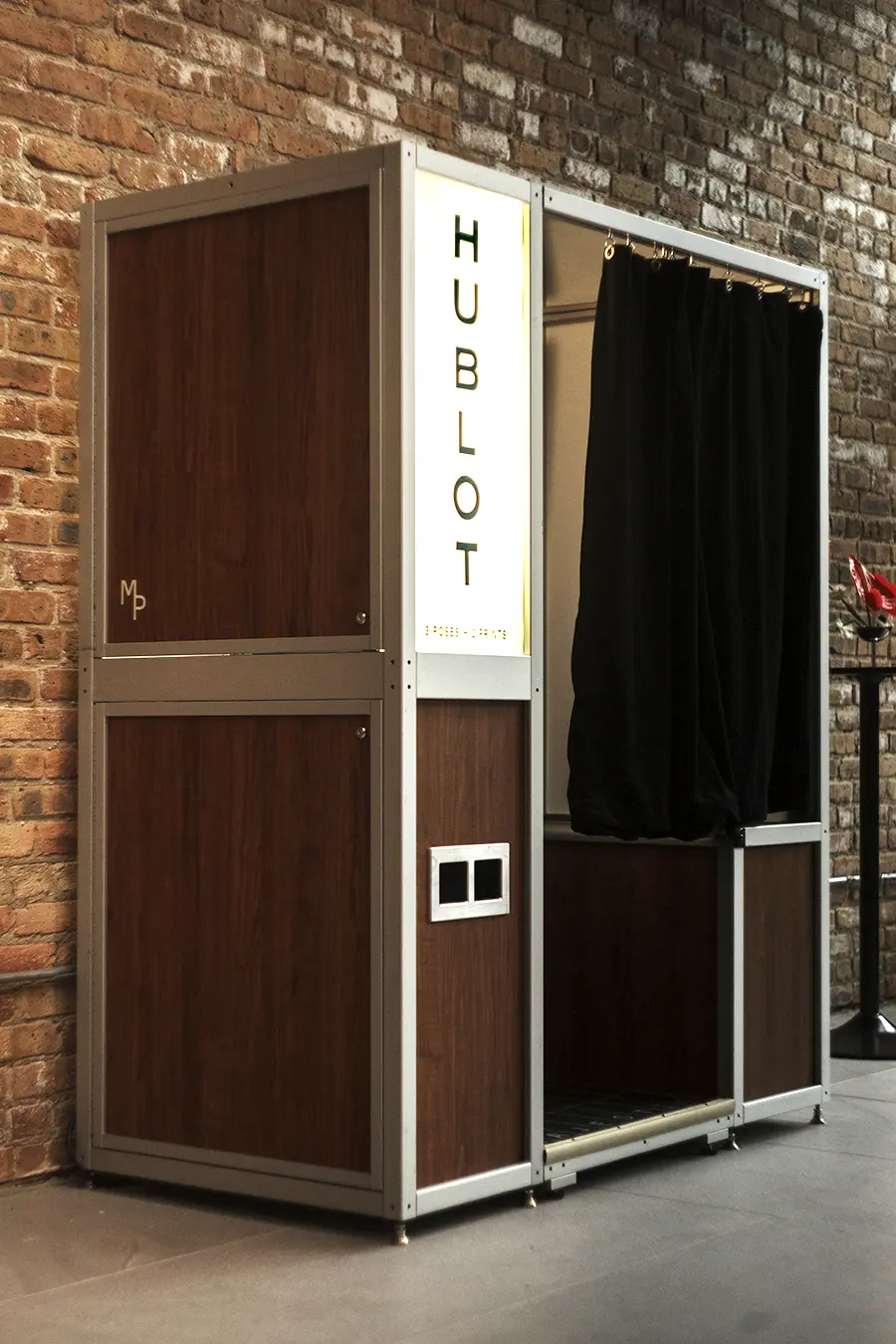
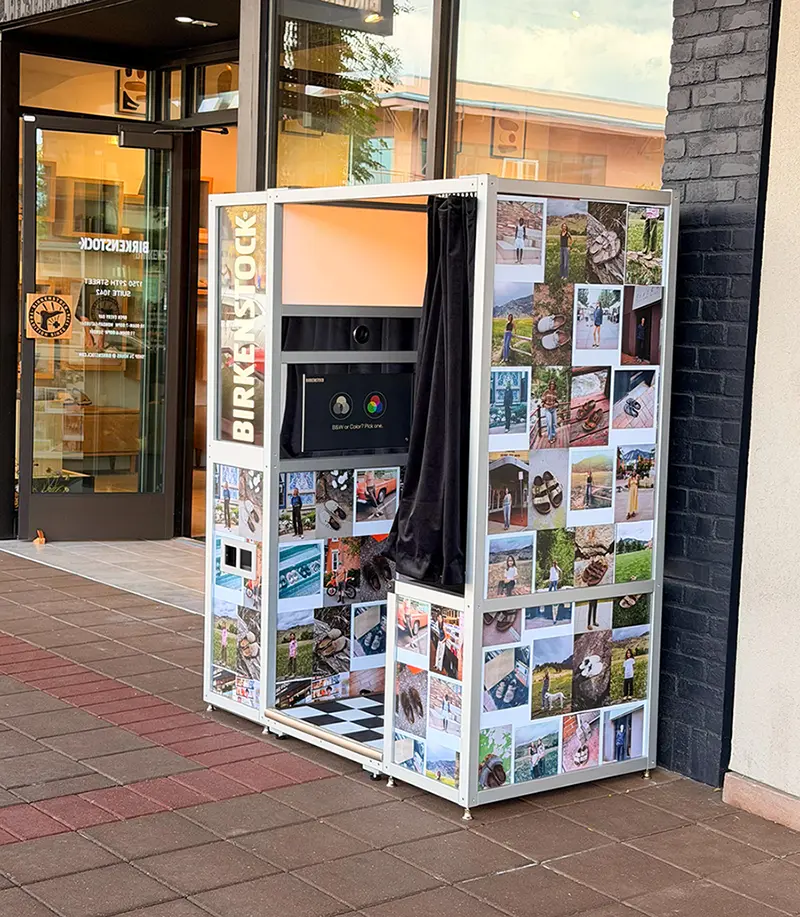
A luxury experiential photo booth transforms events with intentional design, elevated storytelling, and unforgettable guest experiences worth sharing.
Nobody asks about maintenance before searching for photo booths for sale. They ask about the cabinet, the finish, the print quality, how it will look in the room. Then the booth arrives, and maintenance becomes the only question that matters.
We build vintage photo booths and we service them, in bars and museums and hotel lobbies across the country. So this is the honest version, what actually needs doing, how often, and what goes wrong when it doesn't.
A digital booth in a busy venue needs light attention weekly, real attention monthly, and a serious look once a year. An analog booth needs hands on it every single week, without exception, forever.
Everything below is the detail behind those two sentences.
A true analog booth develops your photo inside the machine, in liquid, the same way it did in 1955. It's the most charming thing in our industry and the most demanding.
The developer and fixer sit in tanks. They oxidise as they're used and also just from sitting there, so they need topping up, monitoring, and periodic full replacement. Skip a week and print quality drifts, muddy blacks, colour casts, streaking. Skip a month and you're not running a photo booth, you're running a cabinet with a light in it.
The chemicals themselves are the part people underestimate. They're corrosive and hazardous, which means they are regulated to ship, regulated to store, and regulated to dispose of. You can't pour spent fixer down a drain. Somebody has to handle that properly, on a schedule, and that somebody needs to know what they're doing.
Then there's paper. Analog booth paper is a genuine specialty product, and the supply chain has narrowed to a very small number of sources worldwide. Colour chemical paper stopped being manufactured in the early 2000s, what's left is what's left. If your booth depends on it, your booth depends on a supply chain you don't control.
None of this is a reason to avoid analog. Plenty of operators run analog booths beautifully and the results are worth it. But going in without knowing the weekly commitment is how people end up with a beautiful dead machine in the corner.
A digital booth in a vintage cabinet removes the chemistry entirely. It does not remove maintenance.
The printer is the thing that will fail you. Dye-sublimation printers are workhorses, but they're mechanical, they run hot, and they jam. Ribbons and paper come as matched consumables and run out together, usually on your busiest night. Print heads need to stay clean. A booth with no spare printer and no spare media is a booth that goes dark at the worst possible moment.
Dust is the quiet enemy. Lens, sensor, screen, and any glass in the light path all collect it. Dust doesn't break anything, it just slowly makes every photo slightly worse until someone notices the booth "isn't as good as it used to be."
Touchscreens wear out. They get pressed by thousands of people, some of whom have been drinking. Screens and any physical buttons are consumables on a long timescale.
The software needs attention. Updates, payment processing, network connectivity, cloud delivery for photos and emails. A booth that can't reach the internet often can't take payment either, which means a router problem is a revenue problem.

One of the reasons we build our booths the way we do is that we wanted the experience of a classic vintage photo booth without the maintenance burden that traditionally came with it. Our booths keep the enclosed cabinet, printed photo strips, and timeless vintage design people love, while replacing the chemistry with modern digital hardware that's built for daily commercial use.
That means through our venue placement program, venues still get a photo booth that feels like a permanent piece of furniture rather than another screen in the room, but without managing developer tanks, specialty paper, or the constant upkeep required by true analog systems. We designed the booth to spend its time creating memories, not sitting out of order waiting for service. If this is something you are interested in, get in touch with us.
{{button}}
This one surprises people. The flash tube in a working booth has a finite number of flashes in it, and in a genuinely busy venue that's roughly eighteen months to three years before it needs replacing.
Before it dies outright it fades, and it fades gradually enough that nobody notices. The photos just get a little darker and flatter over months. Then someone replaces the strobe and everybody remembers what the booth is supposed to look like.
If your photos have been quietly getting worse and you can't say why, check the strobe first.
Weekly — wipe the lens and screen, check paper and ribbon levels, run a test strip and actually look at it, check the curtain and bench, confirm the payment terminal is processing. For analog, add the full chemistry check.
Monthly — clean inside the cabinet properly, blow out dust, check cable seating, review print quality against a reference strip from when the booth was new, confirm software is current.
Annually — strobe assessment, printer service, hardware check, review the whole thing against how it looked on day one.
Immediately, always — jams and error states. A booth showing an error message is doing active damage to your room. It reads as neglect, and guests remember it.
internals you'll have to continually refresh.
In our experience, almost never a dramatic failure. It's one of these:
That last one is worth dwelling on if you're deciding whether to buy. A booth you own outright and cannot get serviced is a very expensive piece of furniture. Before you buy from anyone, ask who answers the phone at eleven on a Friday night, what the response time actually is, and whether parts are in the country.
Everything above is written for people who want to understand what owning a photo booth really involves. But many of the venues we work with decide they'd rather never think about maintenance in the first place.
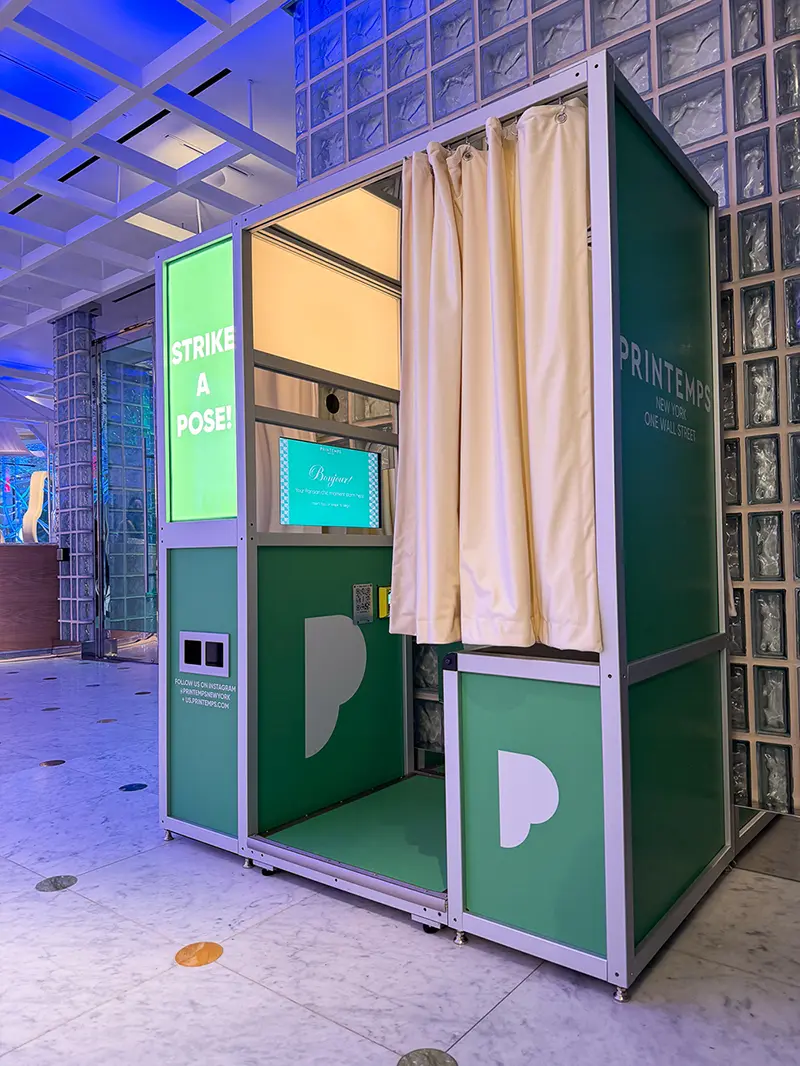
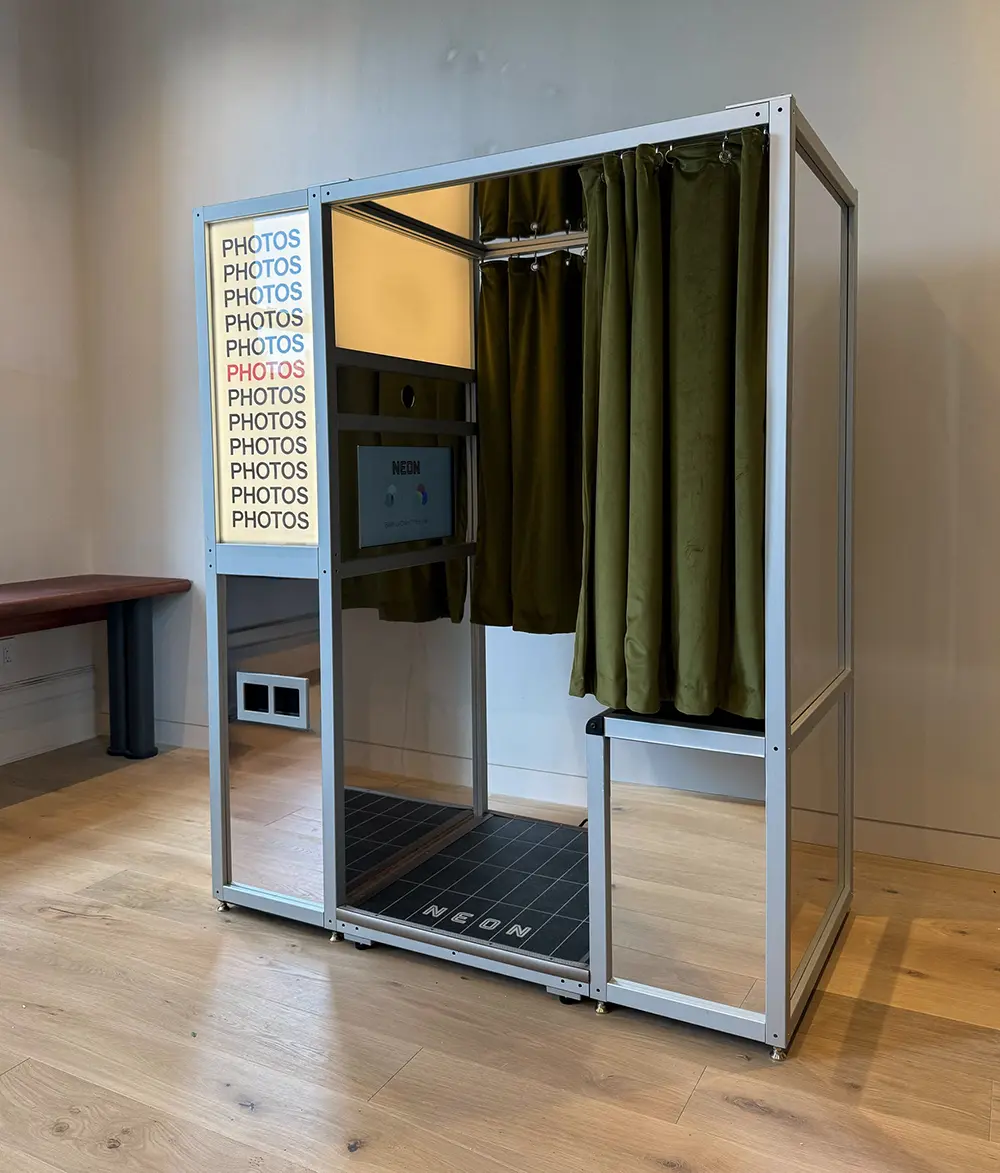
Through our Venue Placement program, we install a fully custom vintage-style photo booth at qualifying venues at no upfront cost. We handle the installation, routine servicing, software updates, replacement media, printer maintenance, strobe replacements, and the inevitable Friday-night support call when something unexpected happens. Luxury clients such as NEON, Printemps, and Lemon Grove have all collaborated with us through our program to have the best of the vintage photo booth experience and not worry about maintenance at all.
For the venue, the experience is simple. The booth looks like a permanent part of the space, guests enjoy a premium photo booth experience, and there's no maintenance calendar to manage. We monitor the hardware, keep consumables stocked, and service the booth throughout the year so it continues performing the way it did on day one.
For many bars, hotels, museums, and attractions, that's the real value. Instead of owning another piece of equipment that needs attention, they simply have a photo booth that works, and when it needs anything, it's our responsibility, not theirs.
How often does a photo booth need maintenance?
Weekly light checks, monthly deeper cleaning, annual servicing. An analog booth needs weekly chemistry attention on top of all of that.
Do vintage photo booths use chemicals?
True analog ones do — developer and fixer, in tanks, needing regular replacement and proper hazardous-waste disposal. Vintage-style digital booths give you the same look and ritual with no chemistry at all, which is why most booths installed today are digital.
How long do photo booths last?
A well-built cabinet lasts decades. The electronics inside typically want a serious refresh after five to seven years of heavy commercial use.
Why are my photo booth pictures getting worse?
Check the strobe first, lash tubes fade gradually over eighteen months to three years. After that, a dusty lens, a dirty print head, or depleted chemistry in an analog booth.
Can a photo booth run unattended?
A well-specified digital booth can run for long stretches with only light routine attention, which is why they work in venues where nobody has time to babysit a machine. Analog cannot.
What happens if the printer breaks?
Without a spare printer or spare media, the booth goes dark until a part arrives. This is the single most common cause of lost booth revenue and it's entirely preventable.
If you've read this far, you've probably noticed a pattern: photo booths don't usually fail because they're poorly designed, they fail because nobody has time to maintain them consistently.
That's why our Venue Placement program exists. We take care of the servicing, media, printers, strobes, software updates, and support, so the venue gets the experience of a beautiful vintage-style photo booth without inheriting a maintenance schedule. For operators who prefer to own and maintain their own equipment, the schedule above is exactly what we'd recommend. For everyone else, we're happy to handle it.
{{button}}
.webp)
.webp)
Discover how Majestic Photobooth can enhance your venue with our customizable photo booth solutions. Contact us now!