The Custom Cafe Photo Booth: 3 Installs Doing It Right
Creative Inspiration
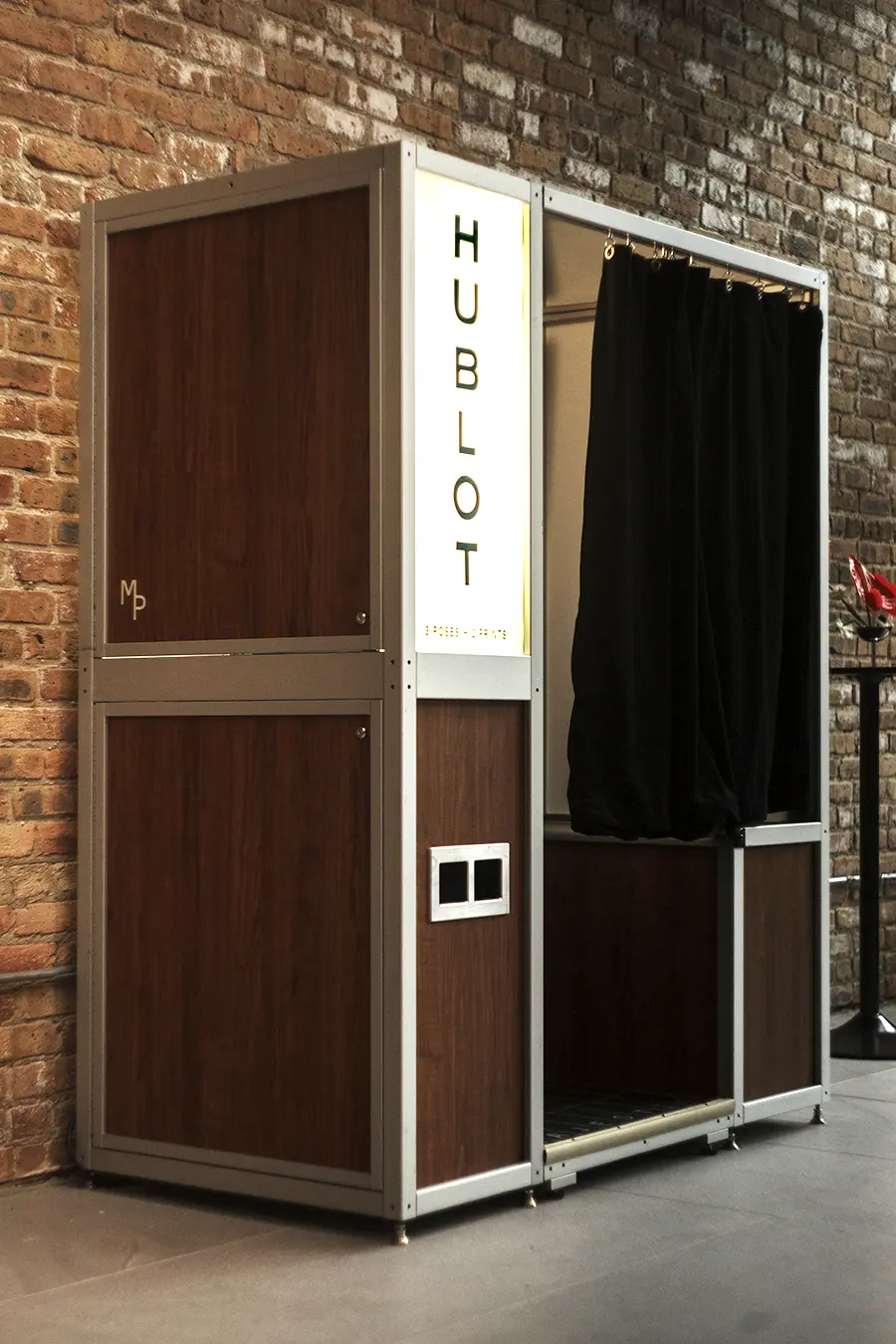
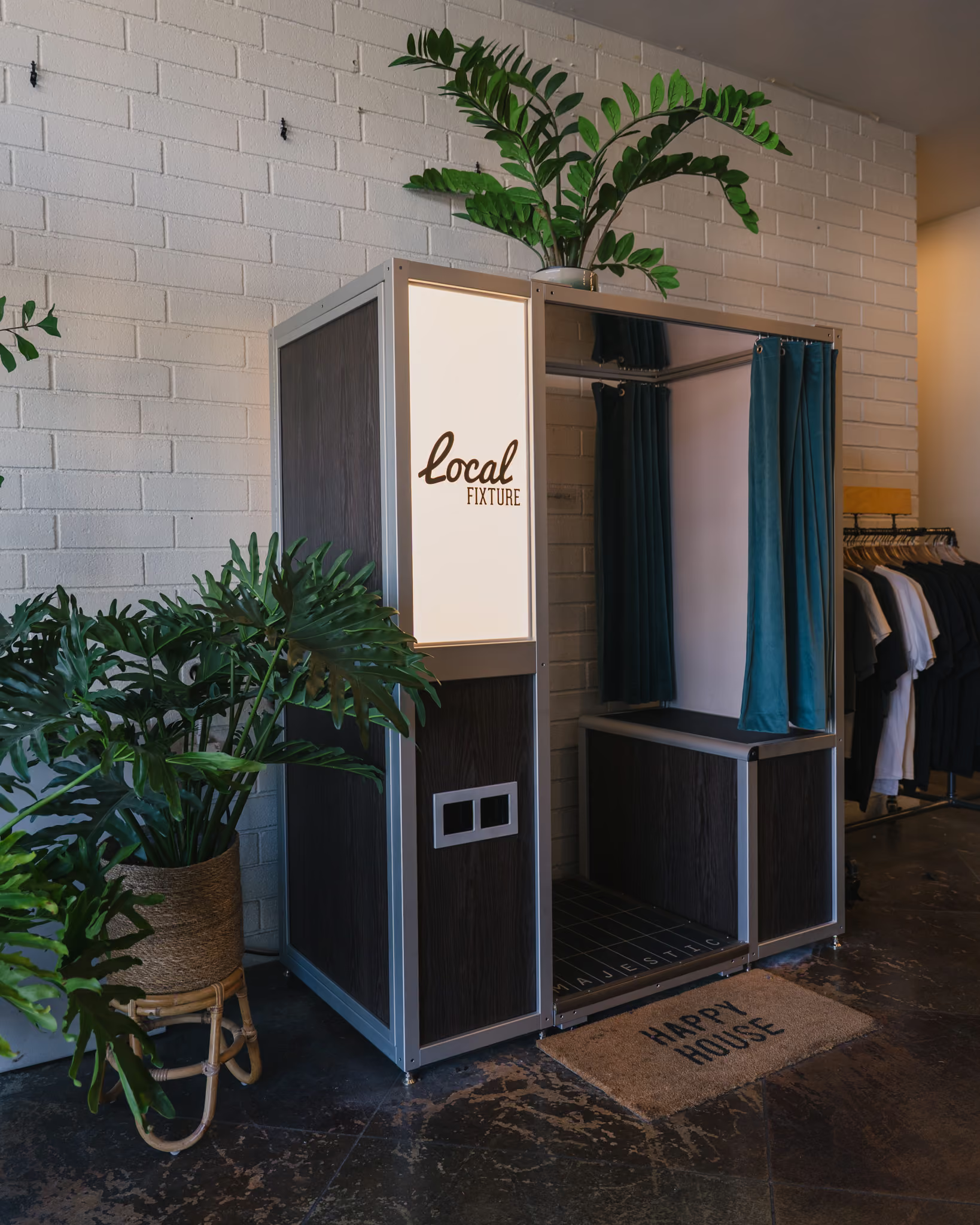
A custom cafe photo booth, installed and serviced at no cost through Majestic's venue placement program. See the builds at Local Fixture, Cherry Bomb, and Blue Hour Coffee.
Is owning an event venue profitable? For owners who approach it strategically, the answer is yes. The most successful venues combine multiple revenue streams, disciplined pricing, and a strong focus on guest experience. The global events industry is projected to reach $2.5 trillion by 2035, which means the market backdrop is favorable. That said, profitability is not automatic.
It depends on location, operational efficiency, and how well you differentiate your offering. Venue owners who invest in standout guest experiences, including offerings like modern photo booth experiences for venues, tend to see stronger retention and referral rates over time.
The type of venue you operate determines both your revenue ceiling and daily workload. Each model offers distinct advantages depending on your goals and market.
Wedding venues produce some of the highest per-event revenue but require intensive coordination and client management. Couples actively share their experiences online, so venues that create memorable moments, including a thoughtfully executed wedding photo booth rental, benefit from organic word-of-mouth that paid ads cannot replicate. For many couples, adding a photo booth at a wedding reception enhances the guest experience while increasing social visibility for the venue itself.
Professional venues in business-dense cities like Austin, Nashville, and Miami can command consistent premium rates for conferences, client dinners, and team events. Corporate clients often rebook and refer colleagues, creating dependable recurring revenue.
Multi-purpose venues offer the broadest booking potential by accommodating weddings, corporate functions, and social gatherings across the full calendar year. This flexibility also reduces reliance on any single market or season. For those entering the market at a smaller scale, exploring small event space ideas can reveal lower-investment entry points that still generate strong returns.
The decisions made in the early stages of a venue business have a long tail. Getting the fundamentals right upfront makes it significantly easier to scale profitably.
A clear-eyed assessment of local competition, market pricing, and underserved demand is essential before committing to a space. Location is one of the most consequential variables in venue profitability. Accessibility, parking availability, and the character of the surrounding neighborhood all influence client preference and what you can charge.
Startup costs should account for property, renovations, permits, and an adequate operating reserve. Many successful venue owners begin with smaller spaces and expand as revenue justifies it, a more defensible path than overextending capital before the business has proven its model.
Strong relationships with caterers, photographers, and entertainment providers generate referral traffic and give clients a more seamless planning experience. Both outcomes contribute directly to booking volume and repeat business.
Once the foundation is in place, profitability is largely a function of two variables: how much you earn per event, and how consistently your calendar stays full. The following strategies address both.
Pricing should reflect demand, not just cost. Charging premium rates during peak wedding season while offering competitive packages in slower months is a straightforward way to protect annual margins without leaving revenue on the table during high-demand periods.
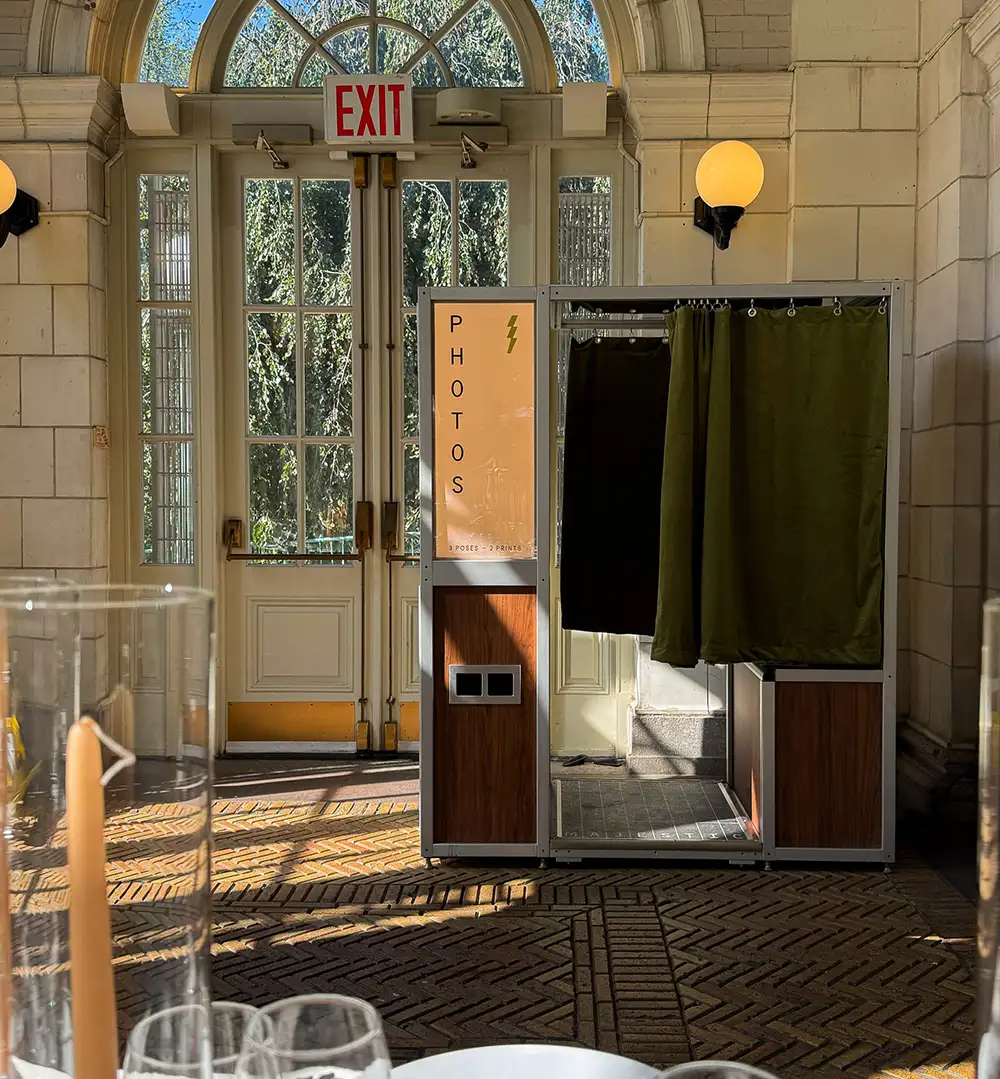
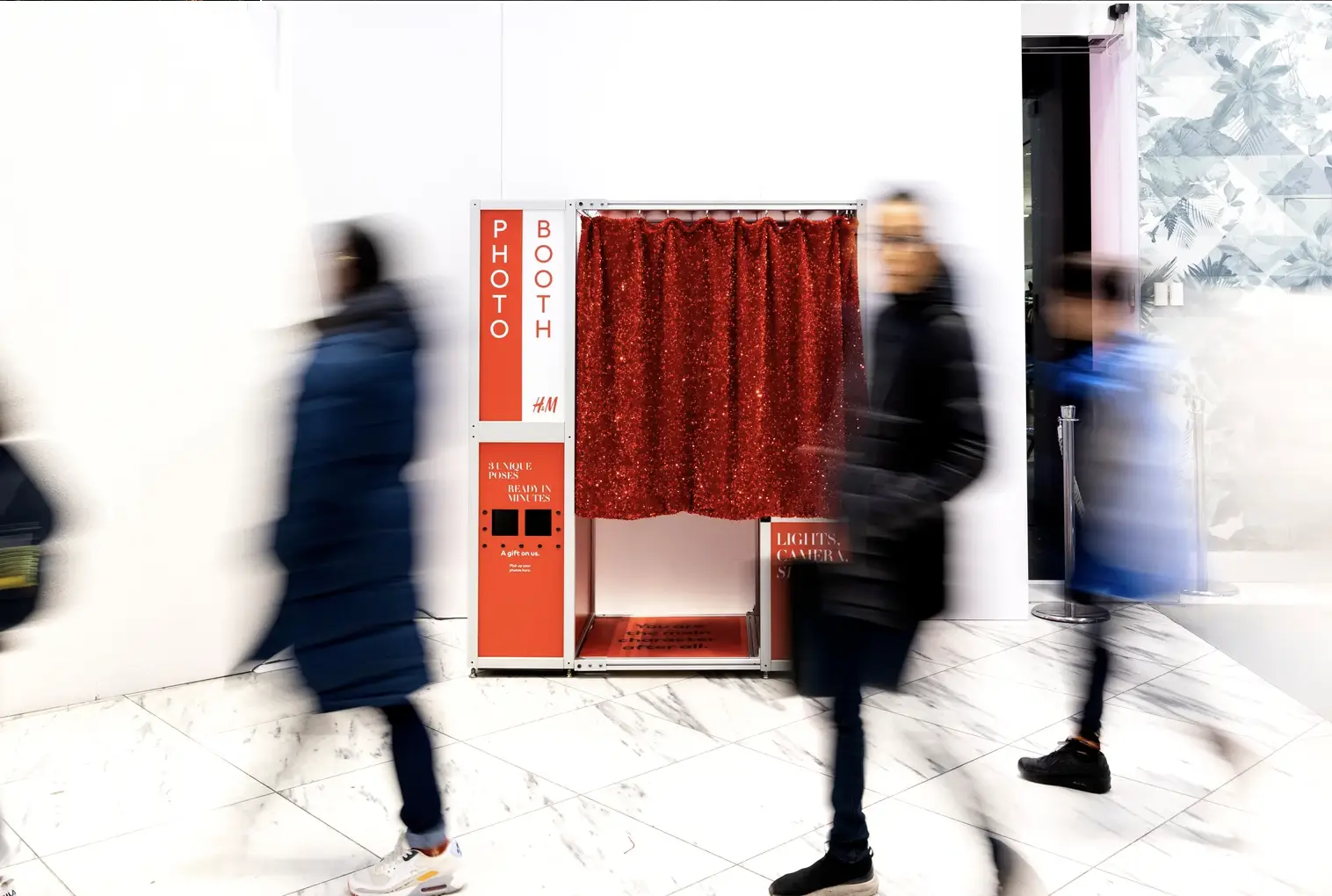
Permanent installations, like a custom photo booth, reduce the per-event cost of sourcing outside vendors while making the venue more attractive as a standalone booking. At Majestic Photobooth, venues that have installed our Classic Majestic Photobooth report stronger booking rates and higher guest engagement. It is an approach that high-profile clients like TWA Hotel have put into practice firsthand.
Operational complexity is one of the most consistent drains on venue margins. Streamlined booking systems, well-trained staff, and clear event-day processes reduce costs per event and improve the client experience simultaneously.
Guests who leave an event with a strong positive impression review the venue, refer friends, and return for future bookings. Building Instagram-worthy moments into your space, including retro photo booth placements, creates organic visibility that compounds over time without ongoing ad spend.
Revenue and margin figures vary widely depending on venue size, market, and how well the business is managed. The numbers below reflect realistic ranges rather than best-case scenarios.
Smaller venues in mid-tier markets typically generate between $200,000 and $500,000 in annual revenue. Larger, well-positioned venues in major cities can exceed $1 million, though that figure requires consistent bookings, efficient operations, and a premium pricing strategy to achieve sustainably.
According to Perfect Venue, event venues typically see net profit margins in the range of 10% to 40%, depending on overhead structure, booking volume, and operational efficiency. The upper end of that range is achievable but generally requires reduced per-event costs through permanent amenities, strong vendor relationships, and a well-managed calendar. Most new venues should plan conservatively and treat higher margins as a medium-term goal.
Beyond the financial metrics, venues that prioritize how guests feel during an event consistently outperform those focused purely on transactional rental. The return on experience investment shows up in reviews, referrals, and repeat bookings, factors that compound over time and are difficult for competitors to replicate. It is a pattern we have observed consistently across the venues Majestic Photobooth has worked with.
Not every venue operates under the same conditions. Several variables have a material impact on where a given venue lands within the profitability range.
Venues in affluent neighborhoods or near business centers attract clients with larger budgets and command higher rates. Market context matters as much as the quality of the space itself.
Wedding venues are subject to pronounced seasonal peaks, while corporate spaces book more evenly throughout the year. Diversifying across event types reduces cash flow volatility and lessens exposure to any single slow season.
Understanding what comparable venues in your market charge, and what experiences they offer, reveals both realistic price ceilings and gaps you can fill. Differentiation on experience rather than price is generally a more sustainable long-term strategy.
Permanent amenities reduce recurring vendor costs while improving what the venue offers clients over time. If you want to gauge guest response before committing to a permanent installation, you can rent a photo booth for your event venue first to evaluate the impact on bookings and guest engagement before making a longer-term decision.
Is owning an event venue profitable? Yes, but only with disciplined management. The most successful venues diversify revenue, control operating costs, invest in guest experience, and leverage permanent amenities to reduce overhead over time.
Profitability is achievable across various markets and venue sizes, but it requires strategy. For owners who manage their venue with the same care they bring to each event, the financial upside is both real and repeatable.
If you're evaluating ways to increase revenue per event without increasing operational complexity, exploring a permanent photo booth installation could be one of the highest-return upgrades available. Contact us to learn more about how Majestic Photobooth partners with venues nationwide through our Venue Placement Program.
.webp)
.webp)
Discover how Majestic Photobooth can enhance your venue with our customizable photo booth solutions. Contact us now!